


Your Current Bill:
$500Estimated Annual Savings:
$1380Our PG&E Customers are saving $1000's annually!
Zero Upfront Cost
Go solar without the five-figure price tag. Pay $0 out of pocket to have your system installed.
Immediate Savings
Pay less money for power starting from Day 1 compared to your current utility bill.
Maintenance Free
The provider owns and maintains the system, so they fix it if it breaks - not you.
Predictable Rates
Hedge against the constant rising utility costs with locked-in energy pricing.
What is a Solar PPA?
A Solar Power Purchase Agreement (PPA) is a “pay-as-you-go” model that lets you switch to clean energy without the high cost of buying panels. Think of it like a partnership: a solar company pays for the equipment and puts it on your roof for free. They own and maintain the system, and in return, you agree to buy the power the panels produce at a rate that is lower than what the utility company charges you. You aren’t buying a solar system; you’re simply choosing to buy cheaper, greener power.
The best part is that you only pay for the electricity the panels actually generate. If it’s a cloudy month and the system produces less, your bill is lower. Because the solar company only makes money when the panels are working, they handle all the monitoring and repairs at no cost to you. It’s a stress-free way to lower your monthly bills and lock in a predictable energy rate for years to come, all without spending a dime upfront.

how it works: your 4-step path to lower bills
1. Custom Design & Approval
We analyze your roof and energy usage to design a system that maximizes your savings. We handle all the permitting and paperwork—you don't lift a finger.
2. Professional $0 Installation
Our certified team installs the premium solar panels on your roof. Because this is a PPA, you pay $0 for the equipment and installation. We own and maintain the system so you don't have to.
3. Flip the Switch
Once your utility company gives the green light, your system starts generating clean energy. You’ll stay connected to the grid for nighttime power, but your daytime usage comes straight from the sun.
4. Pay Less, Every Month
Instead of a high, unpredictable utility bill, you pay for the power the panels produce at a guaranteed lower rate. It’s the same electricity you use now, just at a better price.
What Others are asking
This is the most common concern. Most PPA agreements are easily transferable to the new homeowner, provided they meet basic credit requirements. In fact, many buyers see the locked-in lower energy rates as a huge selling feature. We have a dedicated team that handles the transfer paperwork to ensure your home sale stays on track.
Yes. You’ll still be connected to the grid so you have power at night or during a week of heavy storms. You will still receive a small bill from your utility for “fixed” connection fees, but the solar system will drastically reduce or even eliminate your actual “usage” charges.
Since the solar provider owns the system, they are responsible for all maintenance, monitoring, and repairs. If a panel stops performing or a part needs replacing, we fix it at no cost to you. We also provide a roof-penetration warranty to give you peace of mind that your home is protected.
With a PPA, you only pay for the power the system actually produces. If it’s a rainy or cloudy month and the panels produce less electricity, your PPA bill will be lower. You aren’t “renting” the equipment for a flat fee; you’re just buying the power it makes.
Not necessarily. While there is a basic credit check involved, PPA requirements are often more flexible than traditional solar loans because you aren’t actually borrowing money to buy the system—you’re simply signing up for a cheaper utility service.
In a PPA, the solar provider owns the equipment, so they claim the federal tax incentives. However, those savings are “passed down” to you in the form of $0 upfront costs and a much lower monthly energy rate. It’s a great option for people who don’t want to deal with complex tax filings or don’t have enough tax liability to use the credit themselves.
Climate & Energy solutions testimonials

Stay Fully Charged
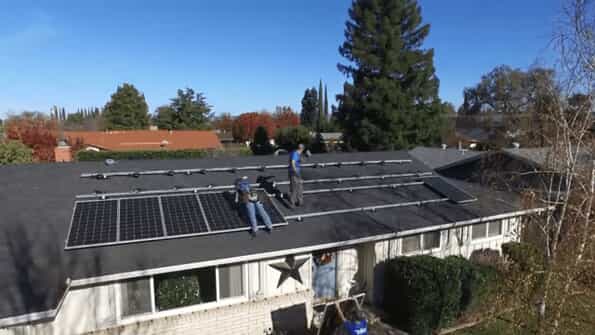
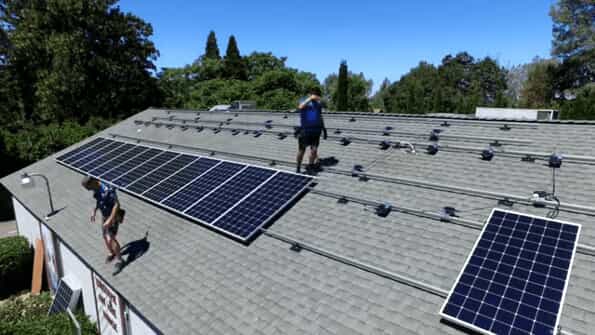
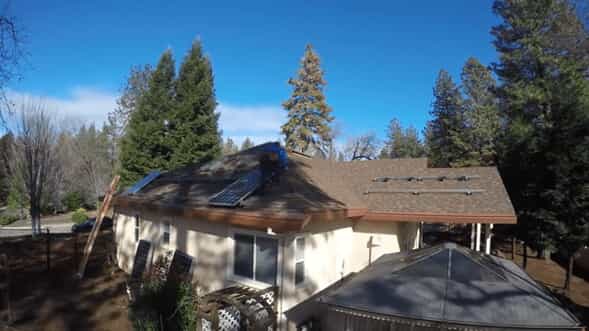
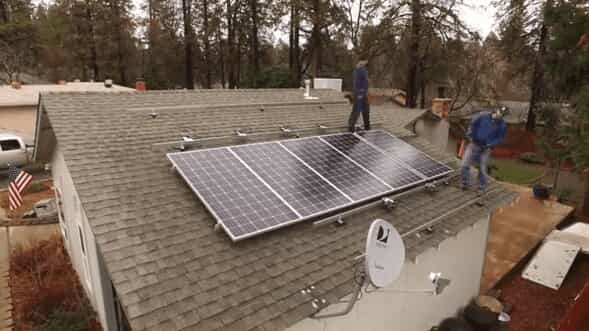
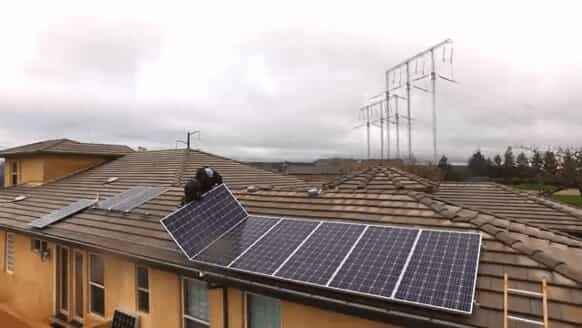
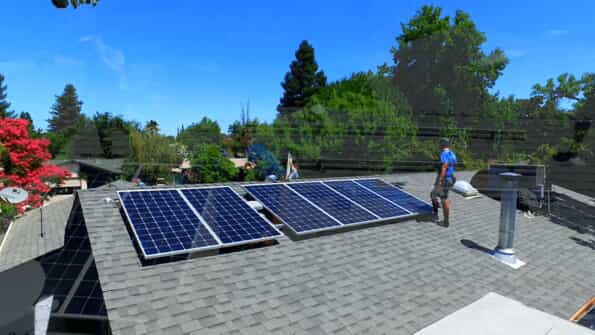
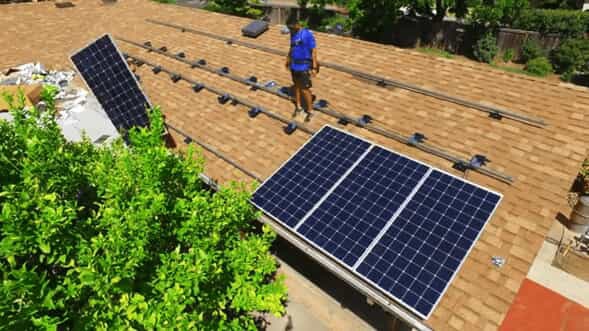
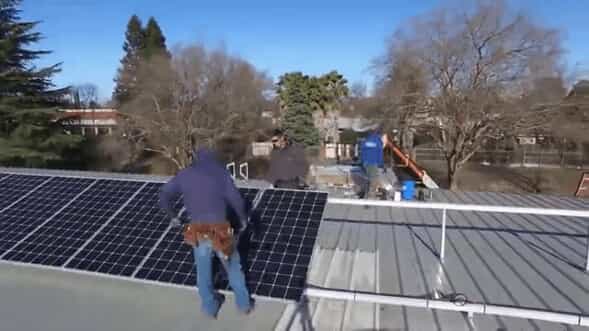
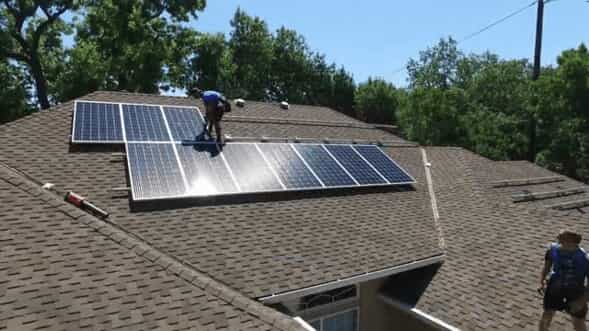
Real homes, real savings. We pride ourselves on clean, professional installations that look as good as they perform. Quality craftsmanship meets $0-down energy.